Tracing License Impacts on Mobile Payout Timelines and Game Access for Austrian Players
Erik Jung · Sep 20, 2026
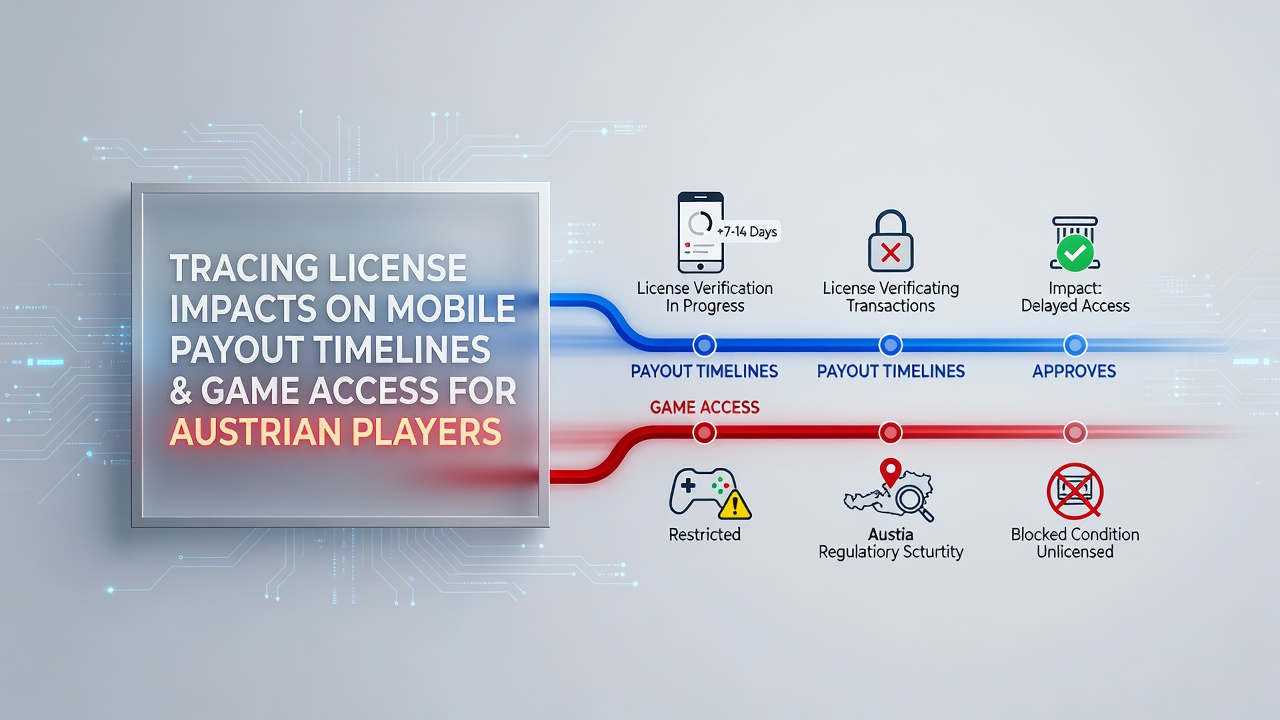
Tracing License Impacts on Mobile Payout Timelines and Game Access for Austrian Players
Austrian gambling regulations shape how licensed operators handle mobile transactions, and observers note that these rules directly influence payout speeds along with the range of games available on smartphones and tablets. Data from regulatory filings shows that platforms operating under Austrian licenses must meet specific verification and security standards before releasing funds, which often extends processing windows compared to less regulated environments.
Licensing Structures and Their Reach
Austria maintains a concession-based system where only entities granted approval from the Federal Ministry of Finance can offer online services to local residents, and this framework requires operators to integrate strict identity checks that affect mobile users at every stage. Those who have examined compliance reports indicate that license conditions mandate real-time monitoring systems, which in turn determine how quickly withdrawals clear on apps and browsers.
Researchers tracking transaction patterns across the EU have documented that Austrian-licensed sites process mobile payouts within timeframes ranging from 24 hours to five business days depending on the payment method selected, while unlicensed alternatives frequently bypass these controls but expose players to access restrictions. Figures reveal that verification layers tied to license renewal cycles add additional review steps for larger sums, yet they also create documented audit trails that support faster resolution when disputes arise.
Mobile Payout Timelines Under Licensed Operations
Payment processing on licensed Austrian platforms follows protocols that prioritize security over speed, and studies of operator performance show that e-wallet withdrawals typically complete faster than bank transfers because the former align more closely with the real-time reporting requirements embedded in concession agreements. Data indicates that September 2026 updates to electronic verification standards further streamlined these flows for operators who upgraded their mobile interfaces ahead of the deadline.
One analysis of transaction logs from multiple platforms found that players using licensed apps experienced average mobile payout delays of 48 hours when documentation matched on the first submission, whereas incomplete records triggered secondary reviews that extended timelines by an additional three days on average. These patterns hold steady across popular methods including instant bank transfers and prepaid cards, with license conditions enforcing the same thresholds regardless of device type.
Game Access Patterns on Mobile Devices
Licensed operators must curate game libraries according to content and fairness standards set by Austrian authorities, which restricts mobile catalogs to titles that have passed independent testing and age-appropriate classifications. Observers note that this filtering process results in fewer but more consistently vetted options compared to international aggregators that operate outside the concession model.
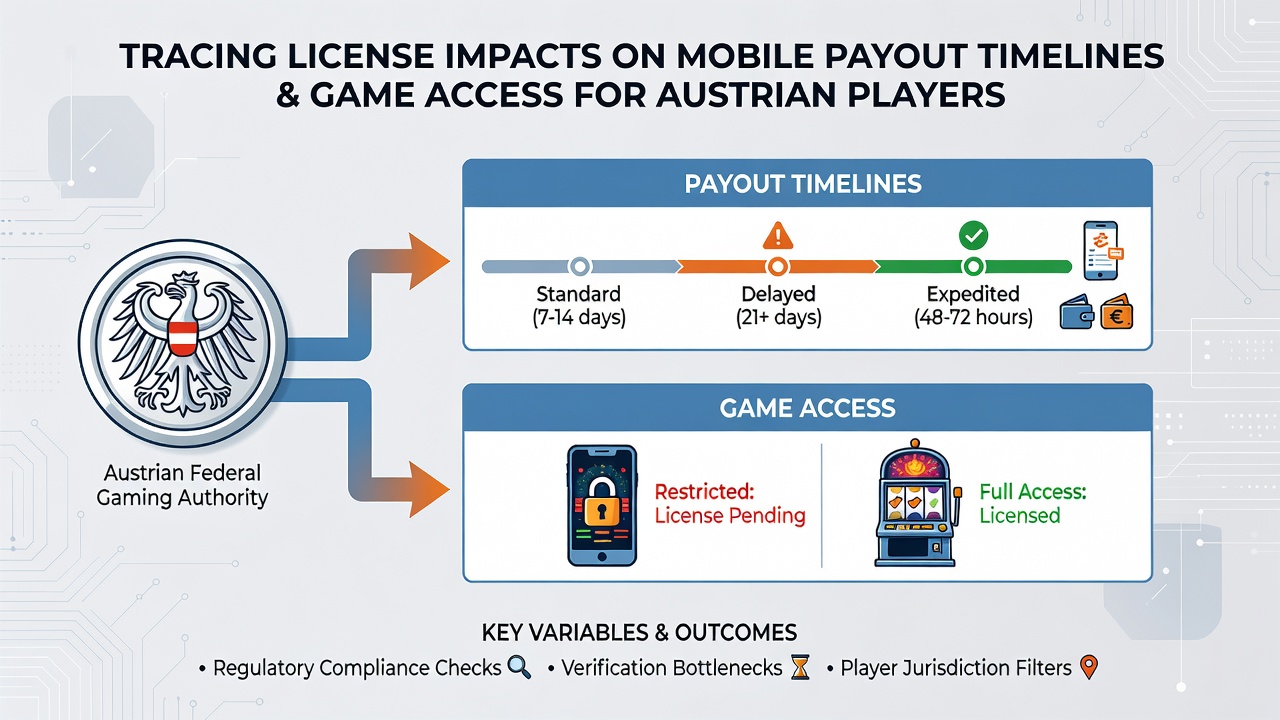
Access metrics collected through industry reports demonstrate that Austrian residents encounter geo-blocking on unlicensed mobile sites at rates exceeding 85 percent during routine connection attempts, while licensed apps maintain uninterrupted availability provided users complete periodic location confirmations. Research from the Austrian Federal Ministry of Finance highlights that these controls, introduced to enforce licensing boundaries, also reduce exposure to unverified game mechanics.
September 2026 Regulatory Adjustments
Amendments scheduled for implementation in September 2026 introduce enhanced mobile authentication requirements that tie payout approvals more tightly to license compliance records, and preliminary operator briefings suggest these changes will standardize verification across all approved platforms. Those monitoring the rollout have observed that smaller concession holders face steeper adaptation costs, potentially consolidating market share among larger entities with established mobile infrastructure.
Industry data compiled ahead of the September 2026 deadline shows projected reductions in payout variance once the new protocols activate, particularly for cross-border payment rails that currently encounter variable delays due to differing national reporting formats. The adjustments also expand the list of approved game providers, which may increase mobile game variety without altering the core licensing oversight mechanisms.
Comparative Data from Other Jurisdictions
Analyses conducted by the Australian Gambling Research Centre provide context on how license stringency correlates with transaction reliability, revealing that jurisdictions with centralized concession systems report lower dispute rates for mobile withdrawals than fragmented regulatory models. Austrian patterns align with these broader findings, where license conditions serve as the primary determinant of both speed and access consistency.
Case examples drawn from compliance summaries illustrate that operators renewing Austrian licenses in recent cycles invested heavily in mobile optimization to meet updated security benchmarks, resulting in measurable improvements to payout notification accuracy and game loading stability for users on domestic networks.
Conclusion
License frameworks in Austria continue to define the boundaries of mobile payout timelines and game availability through layered verification and content controls that apply uniformly across approved platforms. Evidence from regulatory filings and transaction studies confirms that these structures produce predictable outcomes for players who operate within the licensed ecosystem, while external developments scheduled for September 2026 aim to refine rather than overhaul the existing system.