Singapore's Gambling Tax Collections Reach S$3.6 Billion in Fiscal Year Ending March 2026
Ellis Hayes · Sep 6, 2026

Singapore's Gambling Tax Collections Reach S$3.6 Billion in Fiscal Year Ending March 2026
Observers note that Singapore's Inland Revenue Authority recorded gambling duties along with casino taxes at S$3.6 billion for the fiscal year ending March 2026, and this total marked an 11.9 percent rise from the prior period while it outpaced growth in corporate income tax and stamp duty categories. The figures come from official collections in the city-state's tightly regulated casino and betting operations, where two integrated resorts operate under strict licensing rules that channel a portion of revenue directly into government coffers through dedicated tax streams.
Breakdown of the Reported Figures
Data shows the 11.9 percent increase positioned gambling duties and casino taxes as the fastest-expanding major tax category during the period, and analysts who reviewed the Inland Revenue Authority releases confirmed that the S$3.6 billion amount surpassed gains recorded in corporate income tax collections as well as those from stamp duties on property and share transfers. The regulated sector includes Marina Bay Sands and Resorts World Sentosa, both of which contribute through a combination of casino entry levies, gross gaming revenue taxes, and additional duties on betting activities that cover sports and lotteries operated under government oversight.
Comparison With Other Tax Categories
Figures reveal that while corporate income tax and stamp duty posted more modest percentage increases during the same twelve months, the gambling and casino stream delivered the standout performance; this outcome aligns with steady visitor arrivals and domestic participation rates that authorities track through licensing and compliance reporting. Those who monitor the sector point out that the fiscal year ending March 2026 captured a full cycle of operations following earlier expansions in non-gaming amenities at both resorts, which in turn supported higher overall revenue subject to taxation.
Context Around the Fiscal Year End
The period concluded in March 2026, and reports on the collections became available in subsequent months, including updates issued around September 2026 that placed the results in the context of annual budget planning. Observers who examined the Inland Revenue Authority statements noted that the 11.9 percent growth reflected continued strength in the regulated market, where entry levies for locals and foreign visitor spending patterns contribute to the taxable base. The authority administers these streams separately from general income taxes, allowing direct attribution of casino and betting proceeds to specific duty schedules outlined in legislation.
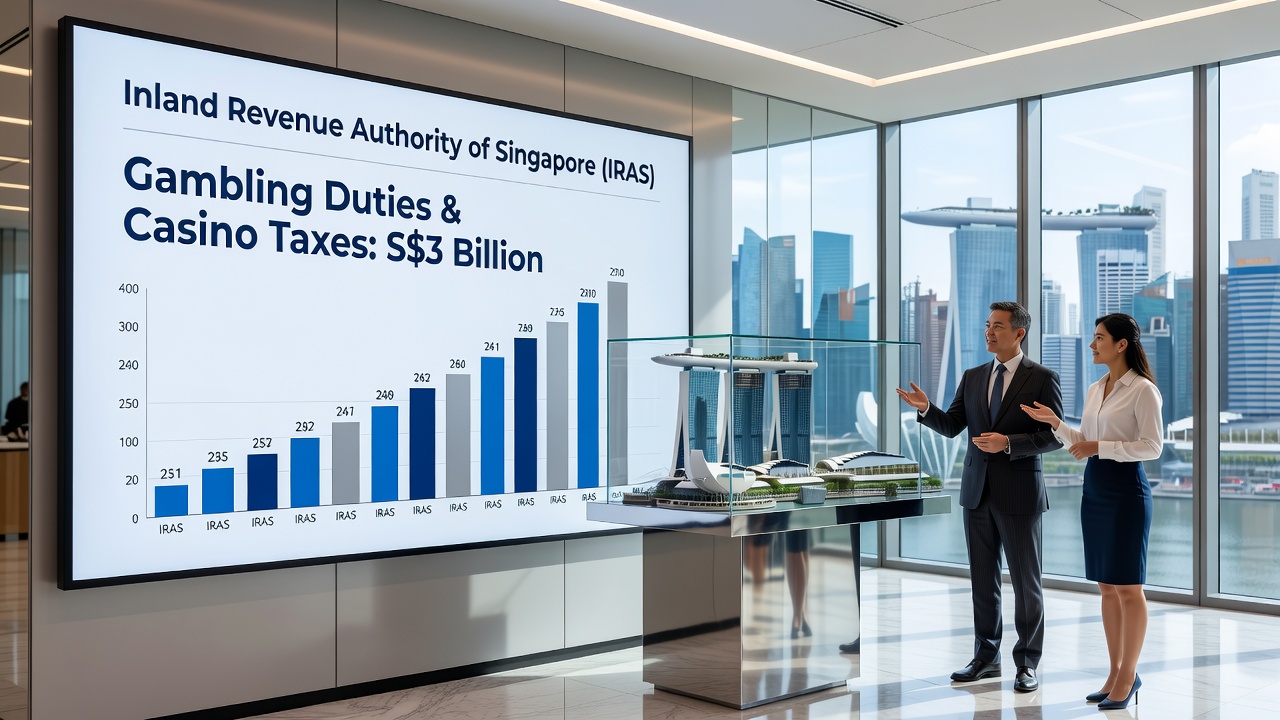
According to the published data, the S$3.6 billion total incorporated both the base casino tax rate applied to gross gaming revenue and supplementary duties that cover jackpot contributions along with other betting formats. Researchers who compared year-over-year results found the increase occurred against a backdrop of stable regulatory frameworks that limit the number of casino licenses while enforcing responsible gambling measures that also generate administrative fees funneled into the same collection pools.
Sector Performance Details
Those familiar with the Inland Revenue Authority methodology explain that casino taxes are calculated on a tiered basis tied to gross gaming revenue, whereas gambling duties on lotteries and sports betting follow separate percentage schedules that adjust with volume. The combined 11.9 percent rise therefore captures expansion across multiple sub-sectors rather than a single source, and the authority's annual statistical releases present these components in aggregate form for public review. People who track fiscal outcomes in Singapore often reference these reports when assessing how regulated entertainment contributes to overall government receipts without overlapping into broader corporate tax filings.
Evidence from the fiscal year ending March 2026 indicates that the two integrated resorts maintained compliance with tax remittance schedules, and the resulting collections fed directly into consolidated revenue accounts used for public expenditure planning. The Inland Revenue Authority publishes these statistics through its online portal, allowing verification of the S$3.6 billion figure and the associated growth rate against prior fiscal periods.
Conclusion
The reported S$3.6 billion in gambling duties and casino taxes for the fiscal year ending March 2026 stands as a documented outcome of Singapore's regulatory approach to casino and betting activities, with the 11.9 percent increase distinguishing it from slower-growing categories such as corporate income tax and stamp duty. Further details remain available through the Inland Revenue Authority's published statistics, which continue to serve as the primary reference for tracking these specific revenue streams.