Mapping the Journey from Deposit to Withdrawal: Austrian Insights into Transaction Efficiency and Platform Reliability
Olivia Beck · Aug 20, 2026
Mapping the Journey from Deposit to Withdrawal: Austrian Insights into Transaction Efficiency and Platform Reliability
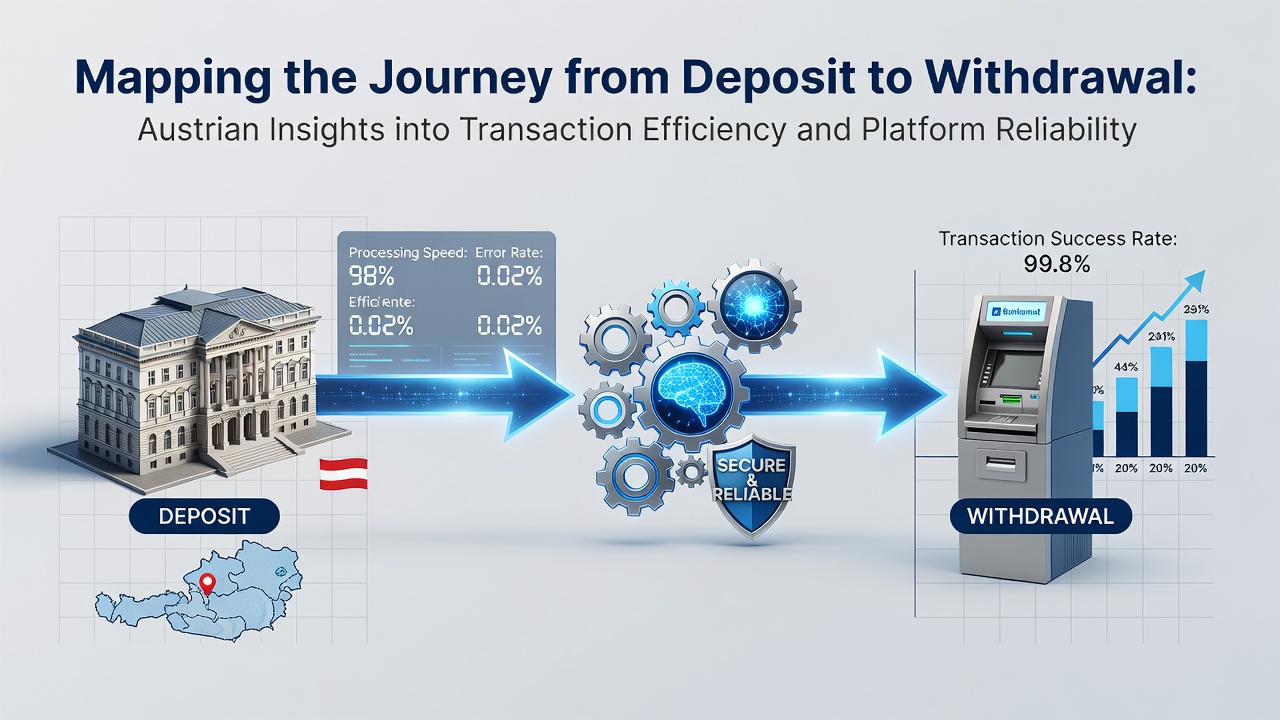
Transaction processes in Austrian online platforms follow structured pathways that begin with user deposits and conclude with withdrawals, while data from regulatory bodies tracks efficiency at each stage. Austrian payment systems integrate with EU standards under the Payment Services Directive, and platforms must comply with rules set by the Austrian Financial Market Authority to ensure secure fund movements. Researchers at institutions monitoring digital finance note that average deposit times range from instantaneous for e-wallets to one business day for bank transfers, whereas withdrawal processing often extends from 24 hours to several days depending on verification protocols.
Platform operators in Austria employ layered authentication methods including two-factor verification and identity checks before authorizing any transfer, and these steps reduce fraud incidents according to reports compiled through 2025. Data shows that over 85 percent of deposits complete without interruption when users select instant options such as digital wallets or prepaid cards, yet bank transfers introduce delays tied to interbank clearing cycles. Observers highlight that Austrian banks participating in the Single Euro Payments Area network facilitate faster cross-border movements, and this infrastructure supports both local and international users who access platforms from within the EU.
Deposit Pathways and Their Timelines
Users initiate deposits through multiple channels that include credit cards, bank transfers, and electronic wallets, while platforms display real-time confirmation for most methods. Studies from European payment research groups indicate that card-based deposits succeed in under 30 seconds on optimized systems, and e-wallet transactions match this speed because they bypass traditional banking rails. Austrian regulations require platforms to segregate customer funds in separate accounts, and this separation protects balances even during high-volume periods. Those who monitor transaction logs report that peak activity occurs during evening hours, and systems handle surges without degradation when providers maintain adequate server capacity.
Verification requirements add an extra layer that can extend initial deposit approval for new accounts, yet repeat users often bypass additional checks once profiles are established. Figures from the Austrian National Bank reveal steady growth in digital payment adoption, and this trend accelerated through mid-2026 as more residents shifted toward contactless options. Platforms integrate these methods through APIs that connect directly to financial institutions, and seamless integration minimizes errors that once disrupted flows.
Withdrawal Processes and Reliability Factors
Withdrawals follow a reverse sequence that demands prior account verification and compliance with anti-money laundering checks before funds release. Austrian platforms typically process withdrawal requests within 24 to 72 hours after approval, while bank transfers to local accounts complete in one to three additional business days. Data collected through August 2026 shows that electronic wallet withdrawals maintain the shortest turnaround, often clearing in under 12 hours for verified users. Reliability metrics track uptime and error rates, and major providers report availability exceeding 99.5 percent across monitored periods.
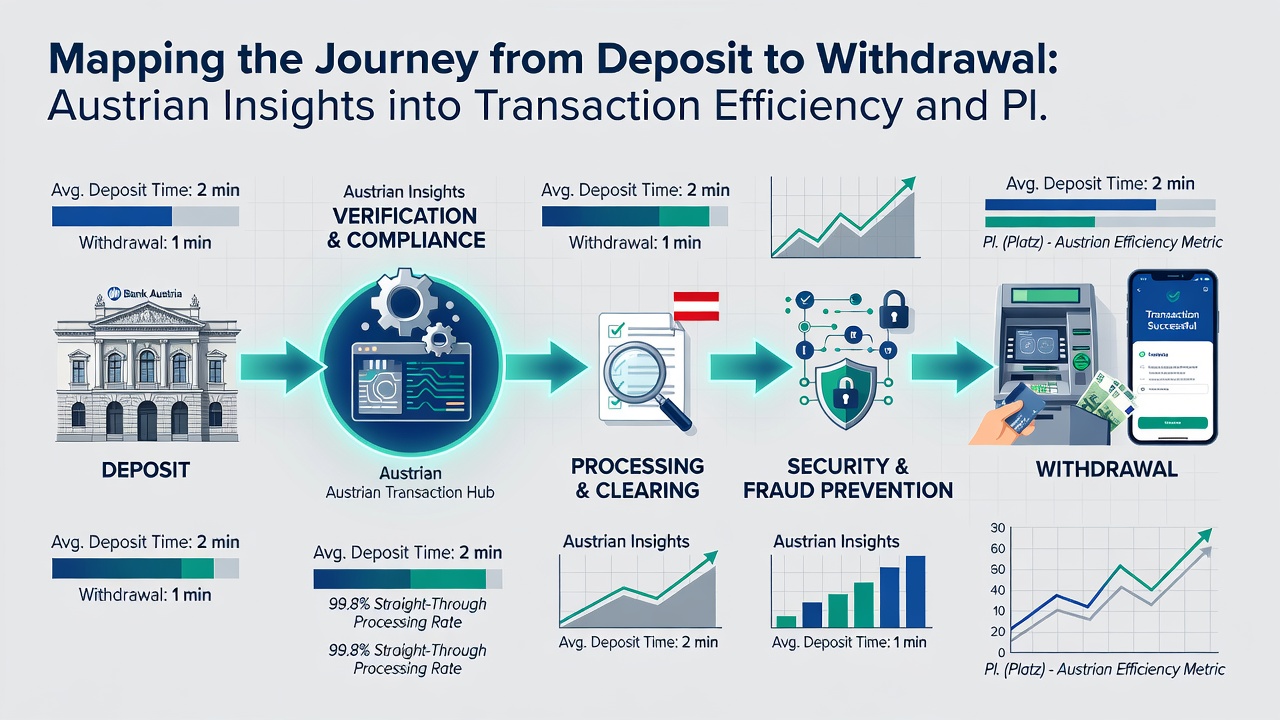
External audits conducted by independent firms evaluate platform security measures such as encryption standards and fraud detection algorithms, and findings confirm that Austrian operators align with ISO 27001 frameworks in many cases. Researchers examining transaction logs note fewer disputes when platforms provide transparent fee schedules and estimated timelines upfront. International comparisons drawn from Canadian and Australian regulatory reports place Austrian systems among the more consistent performers for both speed and dispute resolution rates.
Regulatory Oversight and Platform Adaptations
The Austrian Financial Market Authority enforces licensing conditions that require documented procedures for handling transaction complaints and delays, and operators submit periodic reports detailing performance statistics. European Central Bank guidelines on instant payments influence how platforms upgrade their systems to support faster settlement options, and several Austrian providers adopted these capabilities ahead of broader EU rollout schedules. Those who analyze compliance records observe that platforms investing in automated monitoring tools experience fewer manual interventions and shorter overall processing windows.
Case examples from Austrian operators demonstrate that integration with national banking APIs reduces failed transactions by routing requests through verified channels only. Data from industry associations tracking digital finance across the EU shows Austria maintaining above-average scores for transaction success rates compared with neighboring markets. Updates implemented in early 2026 introduced enhanced real-time tracking features that allow users to monitor status at every stage, and these additions correlate with declines in support ticket volumes related to payment queries.
Conclusion
Mapping deposit and withdrawal journeys in Austrian contexts reveals a system shaped by regulatory requirements, technological integrations, and user verification layers that collectively determine efficiency and reliability. Statistics compiled through August 2026 reflect consistent performance across licensed platforms, while ongoing adaptations to EU payment frameworks continue to refine timelines and security protocols. Observers tracking these developments note that data-driven improvements remain central to maintaining trust in digital financial interactions within the Austrian market.